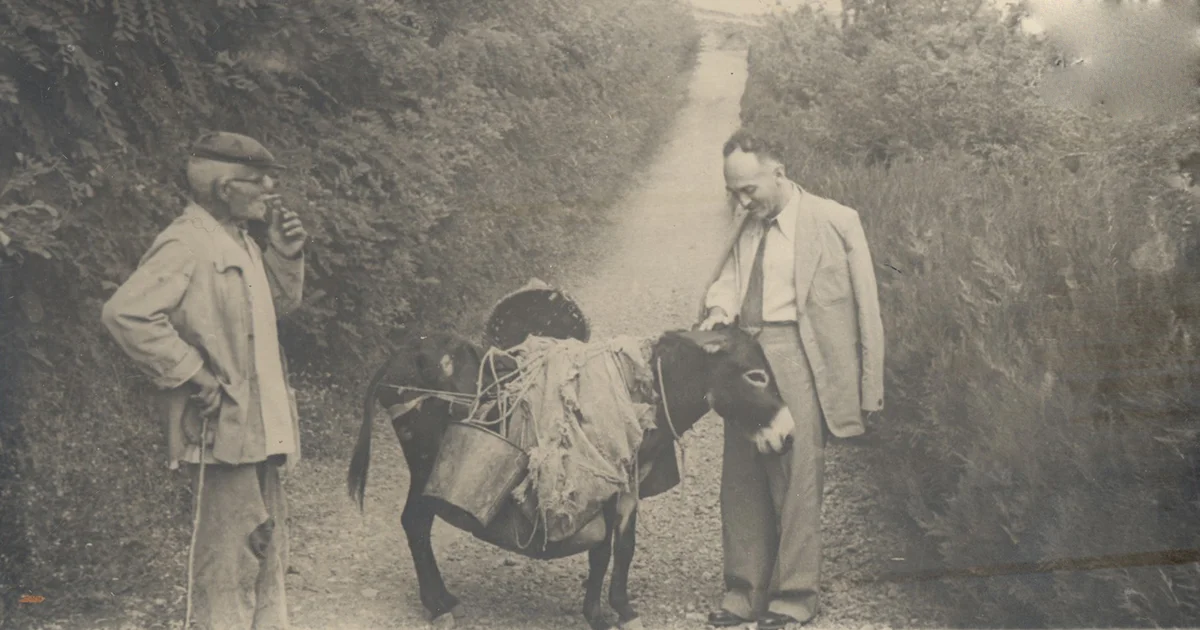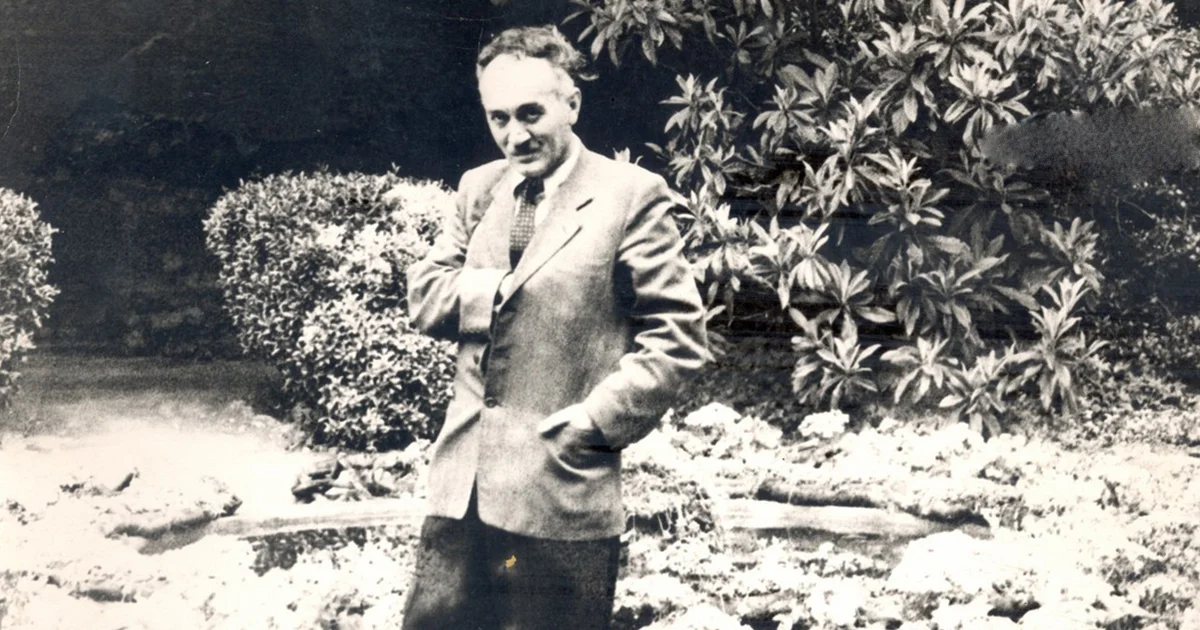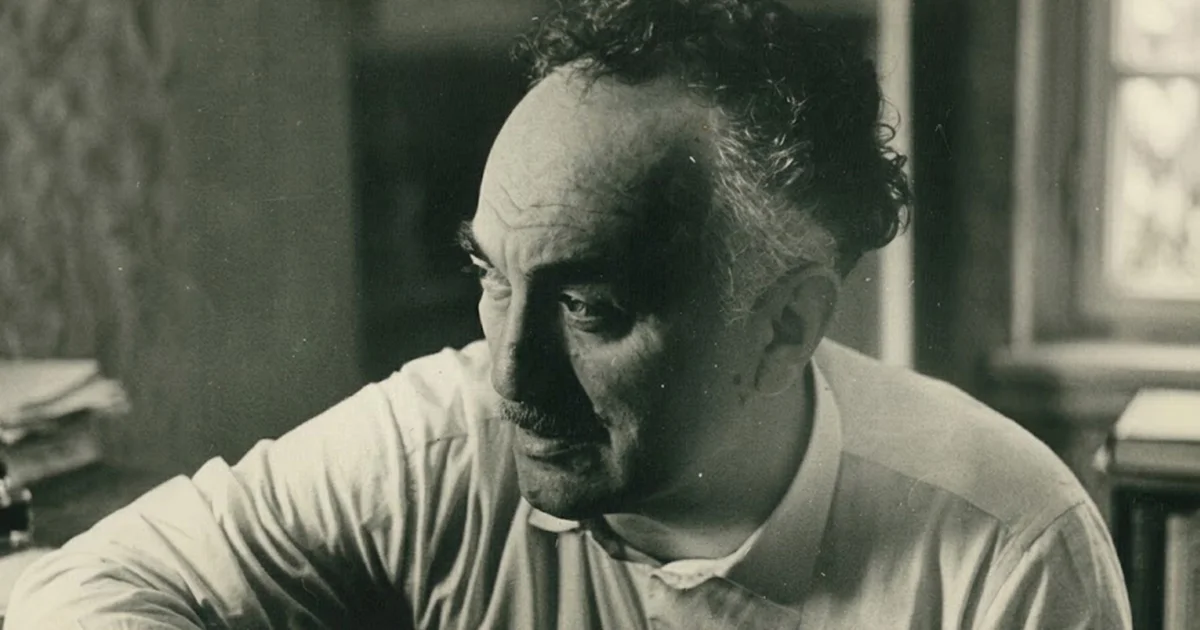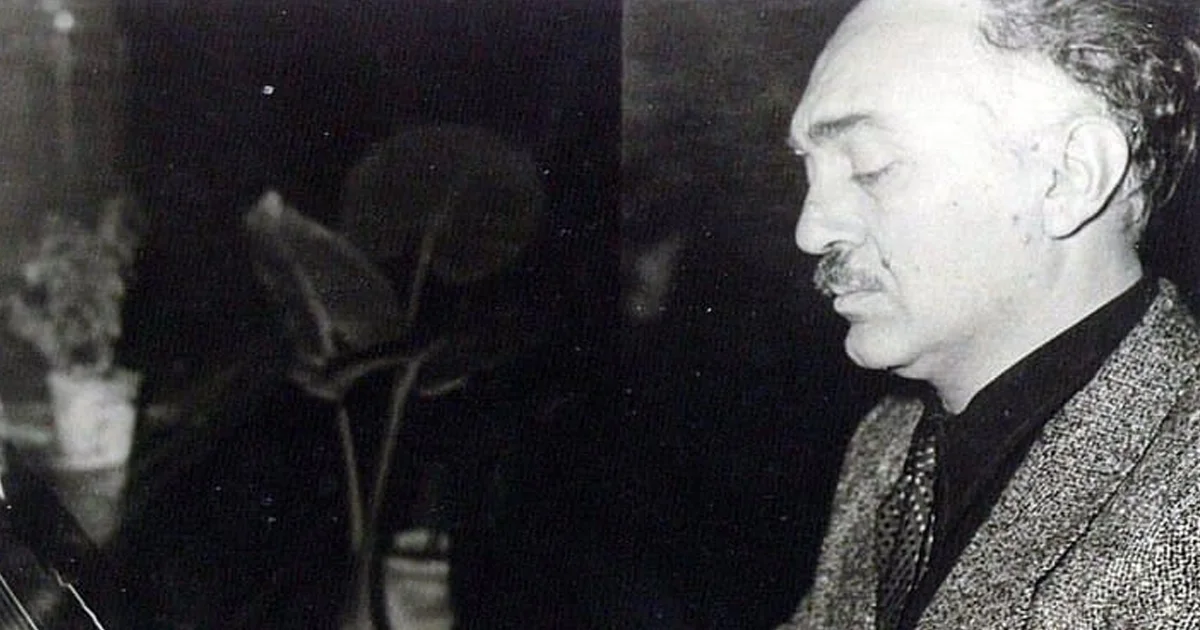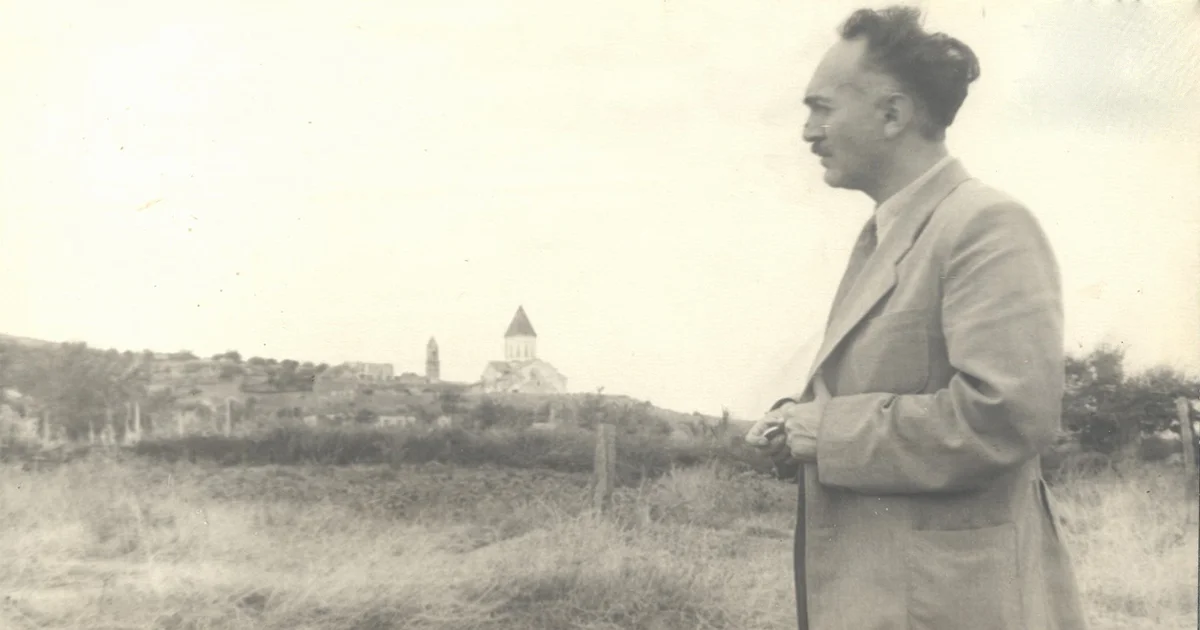


Sandro Mirianashvili, whose official name was Aleksandre Mirianashvili, was born on 25 September 1915 in Sighnaghi. A Georgian composer, People's Artist of Georgia and Honoured Art Worker, he was known for his diverse creative work and made a significant contribution to Georgian musical culture.
His musical journey began in his hometown of Sighnaghi. As a child, he composed his first romance, “White Rose,” which was reportedly first performed by the renowned Georgian singer Vano Sarajishvili. Mirianashvili also studied at the music classes associated with St. Nino’s Monastery in Bodbe. In 1930, he enrolled in the piano and composition departments of Tbilisi’s First Music School. After graduating, he continued his studies at conservatories in Tbilisi, Moscow and St. Petersburg.
Sandro Mirianashvili composed numerous songs and romances. His works include the children's opera The Grey Wolf, the collection Fifty Piano Pieces for Children, and music for dramatic theatre productions. Among his well-known romances and songs are “I Will Wipe Away My Tears,” “On the Beloved Street,” “Mary,” “Forward” and “Lullaby.” The composer created more than 200 romances.
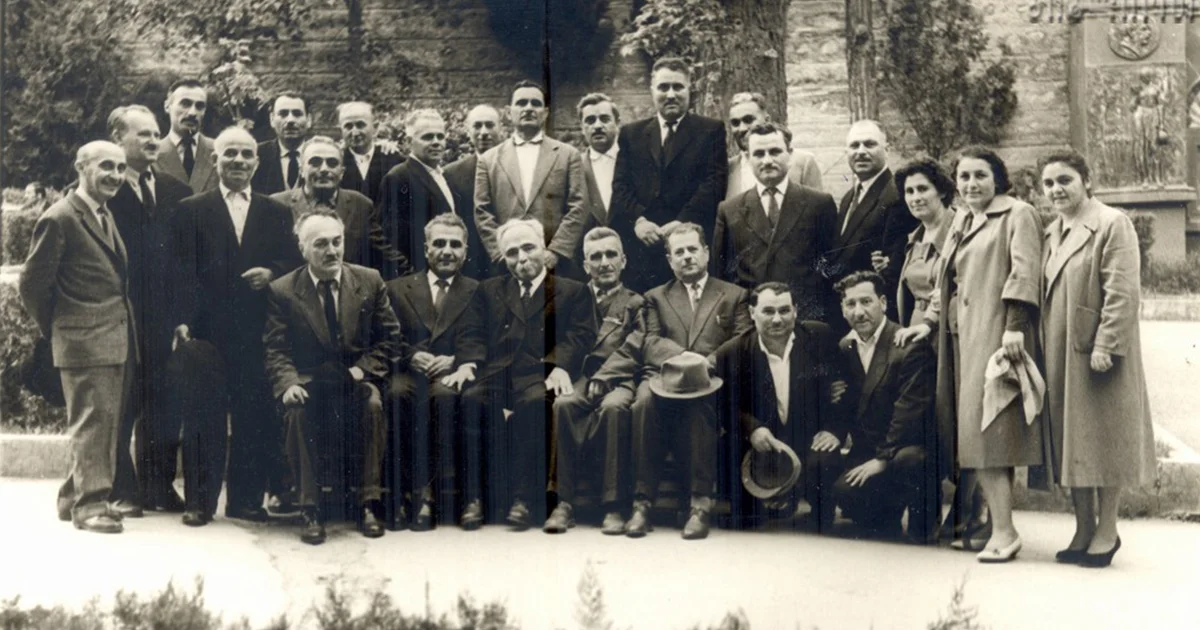
Mirianashvili was also actively involved in Georgian popular music. Over the years, he directed several choral ensembles and served as artistic director of the Song and Dance Ensemble attached to the Border Guard Army of the Caucasus. From 1957 to 1959, he headed the Popular Music Department of the Georgian State Philharmonic.
The composer’s creative interests extended beyond music. He was also an amateur painter and collected ethnographic objects and books. During his lifetime, he donated a significant portion of his works, personal belongings, awards, library and various collections to the state.
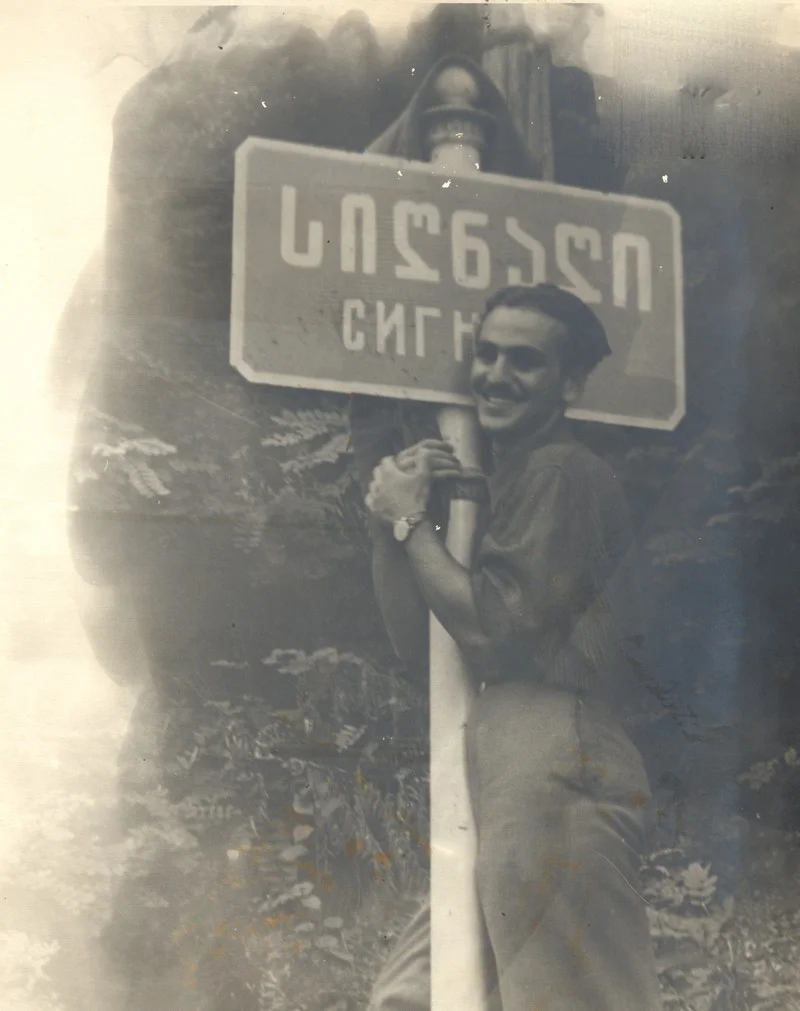
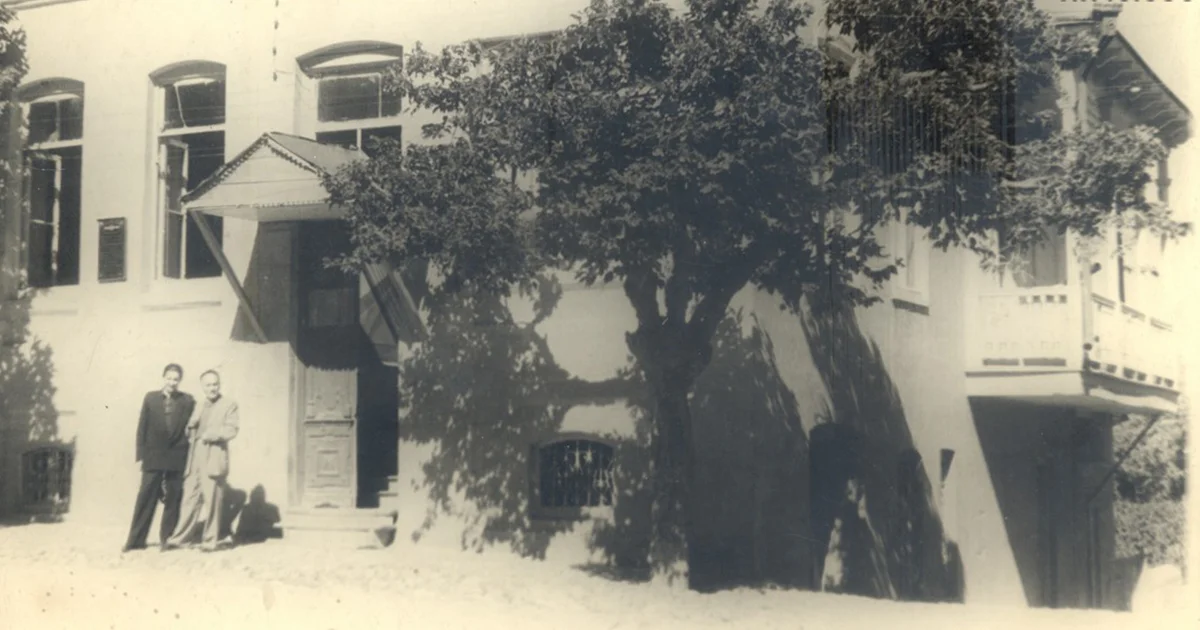
Sandro Mirianashvili maintained a lifelong connection with his hometown of Sighnaghi and took part in the cultural life of the city and the surrounding district. Today, part of his creative legacy and collections is preserved at the Sandro Mirianashvili House Museum in Sighnaghi. The museum has been operating since 1998, and its exhibition features objects related to the composer’s life and career, paintings and ethnographic collections.
Sandro Mirianashvili passed away on 30 January 1987 and was buried at the Saburtalo Pantheon in Tbilisi. His name remains closely associated with Sighnaghi, the city where his musical journey began.